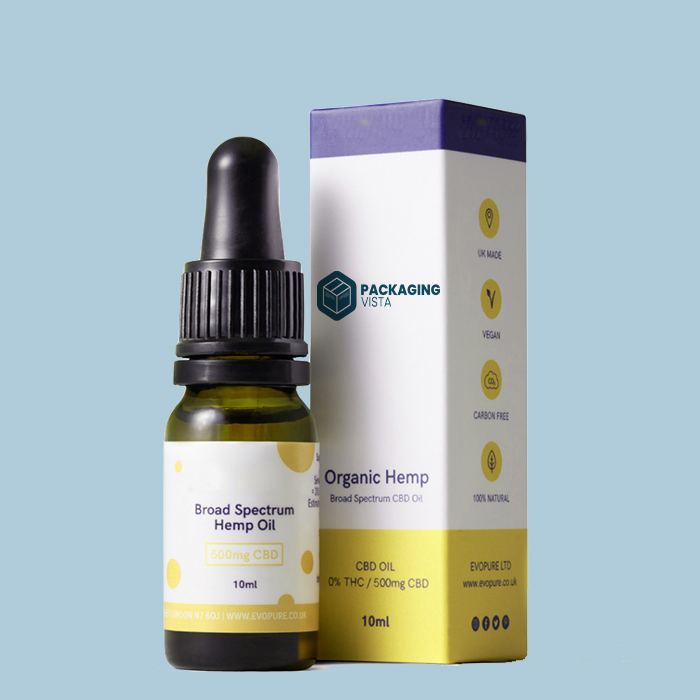
In today’s competitive market, standing out is crucial, especially in the burgeoning hemp industry. One effective way to differentiate your product is through custom hemp oil boxes. These bespoke packaging solutions not only protect your product but also serve as a powerful marketing tool, reflecting your brand’s identity and values.
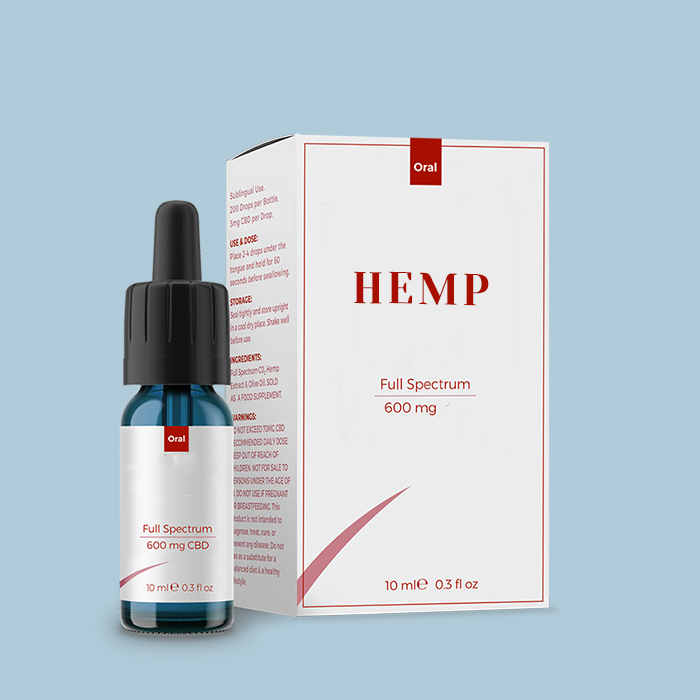
Understanding Custom Hemp Oil Boxes
Custom hemp oil boxes are specialized packaging designed specifically for hemp oil products. They are tailored to fit the product’s dimensions, ensuring safety during transportation and storage. Beyond functionality, these boxes offer a canvas for creative design, allowing brands to communicate their message effectively.
Importance of Custom Packaging in the Hemp Industry
The hemp industry has seen exponential growth, leading to a saturated market. Custom packaging becomes essential in this context for several reasons:
- Brand Recognition: Unique packaging helps consumers identify your product amidst a sea of competitors.
- Compliance: Proper labeling ensures adherence to legal requirements, avoiding potential fines.
- Consumer Trust: High-quality packaging conveys professionalism, building trust with consumers.
Design Elements for Custom Hemp Oil Boxes
Design plays a pivotal role in capturing consumer attention. Key elements include:
- Color Scheme: Aligning colors with brand identity evokes specific emotions and associations.
- Typography: Clear and legible fonts enhance readability and convey the brand’s tone.
- Imagery: High-resolution images and graphics can illustrate product usage or benefits.
Materials Used in Custom Hemp Oil Packaging
Selecting the right material is crucial for both aesthetics and functionality:
- Cardboard: Durable and versatile, suitable for various printing techniques.
- Kraft Paper: Eco-friendly and rustic, appealing to environmentally conscious consumers.
- Corrugated Fiberboard: Offers extra protection, ideal for shipping purposes.
Eco-Friendly Packaging Solutions
Sustainability is increasingly important to consumers. Eco-friendly packaging options include:
- Recycled Materials: Utilizing recycled paper or cardboard reduces environmental impact.
- Biodegradable Inks: Soy or water-based inks minimize harmful chemicals.
- Minimalist Design: Reducing unnecessary packaging components conserves resources.
Printing Techniques for Custom Boxes
The choice of printing technique affects the final look and cost:
- Offset Printing: Provides high-quality images, suitable for large runs.
- Digital Printing: Cost-effective for small batches with quick turnaround times.
- Flexography: Ideal for simple designs on corrugated boxes.
Branding Strategies through Packaging
Packaging serves as a silent salesperson. Effective strategies include:
- Storytelling: Sharing your brand’s story or mission on the packaging creates a connection.
- Consistency: Uniform design elements across products strengthen brand identity.
- Interactive Features: QR codes or augmented reality elements engage tech-savvy consumers.
Legal Considerations in Hemp Packaging
Compliance with regulations is non-negotiable:
- Labeling Requirements: Include necessary information such as ingredients, usage instructions, and warnings.
- Child-Resistant Features: Ensure packaging meets safety standards to prevent accidental ingestion.
- State-Specific Laws: Stay updated on varying regulations across regions.
Innovative Packaging Trends in the Hemp Industry
Staying ahead means embracing innovation:
- Smart Packaging: Incorporating NFC tags for product information or authentication.
- Sustainable Materials: Exploring hemp-based packaging as a renewable resource.
- Custom Shapes: Unique box shapes that reflect the product or brand ethos.
Consumer Preferences and Packaging
Understanding your target audience informs packaging decisions:
- Transparency: Clear information about product sourcing and benefits builds trust.
- Convenience: Easy-to-open and resealable packaging enhances user experience.
- Aesthetics: Visually appealing designs attract attention on shelves.
Cost Factors in Custom Packaging
Budget considerations are vital:
- Material Choice: Premium materials increase costs but may justify higher pricing.
- Order Volume: Bulk orders often reduce per-unit costs.
- Design Complexity: Intricate designs may incur additional expenses.
Choosing the Right Packaging Partner
A reliable packaging partner ensures quality and compliance:
- Experience: Look for partners with a proven track record in hemp packaging.
- Customization Options: Ensure they offer the flexibility to meet your design needs.
- Support Services: Additional services like design assistance or logistics support add value.
Case Studies: Successful Hemp Oil Packaging
Examining successful examples provides inspiration:
- Brand A: Leveraged minimalist design and eco-friendly materials to appeal to health-conscious consumers.
- Brand B: Used vibrant colors and bold typography to stand out in a crowded market.
Challenges in Hemp Oil Packaging
Being aware of potential hurdles prepares you for mitigation:
- Regulatory Changes: Staying compliant amidst evolving laws requires vigilance.
- Market Saturation: Differentiating your product necessitates continuous innovation.
- Supply Chain Issues: Sourcing sustainable materials can be challenging and costly.
Future of Hemp Oil Packaging
The landscape of hemp oil packaging is poised for evolution:
- Technological Integration: Expect more smart packaging solutions enhancing consumer interaction.
- Sustainability Focus: A shift towards zero-waste packaging aligns with global environmental goals.
- Personalization: Customized packaging experiences cater to individual consumer preferences.
FAQs
What materials are best for custom hemp oil boxes?
- Cardboard and Kraft paper are popular choices due to their durability and eco-friendliness.
How can packaging enhance brand recognition?
- Consistent design elements like color schemes and logos make your product easily identifiable.
Are there eco-friendly options for hemp oil packaging?
- Yes, using recycled materials and biodegradable inks are sustainable choices.
What are the legal requirements for hemp oil packaging?
- Requirements vary by region but generally include proper labeling and child-resistant features.
How do I choose the right packaging partner?
- Consider their experience, customization options, and additional support services.
Can packaging influence consumer purchasing decisions?
- Absolutely, attractive and functional packaging can sway consumer choices.
Conclusion
Custom hemp oil boxes are more than just containers; they are integral to your brand’s identity and success. By investing in high-quality, customized packaging, you not only protect your product but also create a lasting impression on consumers. With the right design, materials, and branding strategy, your hemp oil packaging can become a powerful marketing tool that enhances brand loyalty and boosts sales.
As the hemp industry continues to grow, staying ahead of packaging trends and legal requirements will be crucial for maintaining a competitive edge. Whether you focus on eco-friendly materials, innovative designs, or smart packaging solutions, ensuring your custom hemp oil boxes align with consumer expectations and regulatory standards will set your brand apart.
By partnering with a reliable packaging provider and leveraging strategic design choices, your hemp oil packaging can effectively communicate your brand’s values, attract customers, and drive business success.
Final Thoughts
Custom hemp oil boxes are a vital component of any hemp-based business. They offer more than just protection for your product—they serve as a branding, marketing, and compliance tool. Investing in well-designed, high-quality packaging will help your product stand out in the competitive market, ensuring long-term success.
If you’re looking to enhance your brand with premium custom packaging, explore different materials, printing techniques, and branding strategies to create packaging that resonates with your audience.
 Site Title